
Small Business Data Strategies: Getting Started Without Breaking the Bank
Data strategies are no longer a luxury exclusive to large corporations. For small businesses, harnessing data can mean the difference between stagnation and growth. However, many small businesses struggle with the misconception that data strategies require a hefty budget. In reality, a smart, well-planned approach using affordable tools can help small businesses build a data strategy on a budget.
1. Identify Your Key Objectives

Before jumping into tools or metrics, it’s essential to define what you want to achieve with data. Do you want to understand customer behavior? Improve marketing ROI? Track inventory trends? Defining clear objectives will help you focus your strategy and maximize efficiency.
Tip: Limit your focus to 2-3 primary goals to start. According to Forbes, narrowing your focus improves the chance of success by allowing you to channel resources more effectively (Forbes, 2021) .
2. Start with Low-Cost Analytics Tools
Affordable data tools are often just as powerful as premium ones, especially for smaller data sets. Google Analytics, for instance, is free and provides in-depth insights into customer behavior, website traffic sources, and engagement metrics. Small businesses can use this tool to analyze website performance, identify trends, and understand what’s driving customers.
Other tools to consider:
Google Sheets or Excel for organizing data and creating basic dashboards
HubSpot CRM: Offers free options for managing customer data
Zoho Analytics: Affordable for more advanced data visualization and analytics capabilities
Example: One case study found that small businesses using HubSpot’s CRM and Google Analytics grew customer engagement by 30% due to better data management (HubSpot, 2022) .
3. Implement Data Collection Processes
A strong data strategy starts with clean, organized data. Automate data collection processes wherever possible to save time and reduce human error. For instance, tools like Google Forms allow you to collect structured data on customer preferences or feedback, while CRMs like HubSpot or Zoho can automatically log interactions and streamline client information.
Tip: Keep data collection forms simple, asking only essential questions. According to Harvard Business Review, customers are more likely to provide data if the process is quick and clear (HBR, 2020) .
4. Leverage Customer Segmentation
Understanding customer segments can drive more targeted marketing and improve customer satisfaction. Use CRM tools to segment your customers based on behavior, location, or preferences. This allows you to tailor your approach to different groups, offering a more personalized experience.
Tool Recommendation: Mailchimp offers affordable segmentation features and integrates with Google Analytics, allowing you to automate targeted email campaigns based on user activity.
Statistic: Studies show that personalized marketing can boost sales by up to 20% (McKinsey, 2019) .
5. Create Simple Dashboards for Tracking
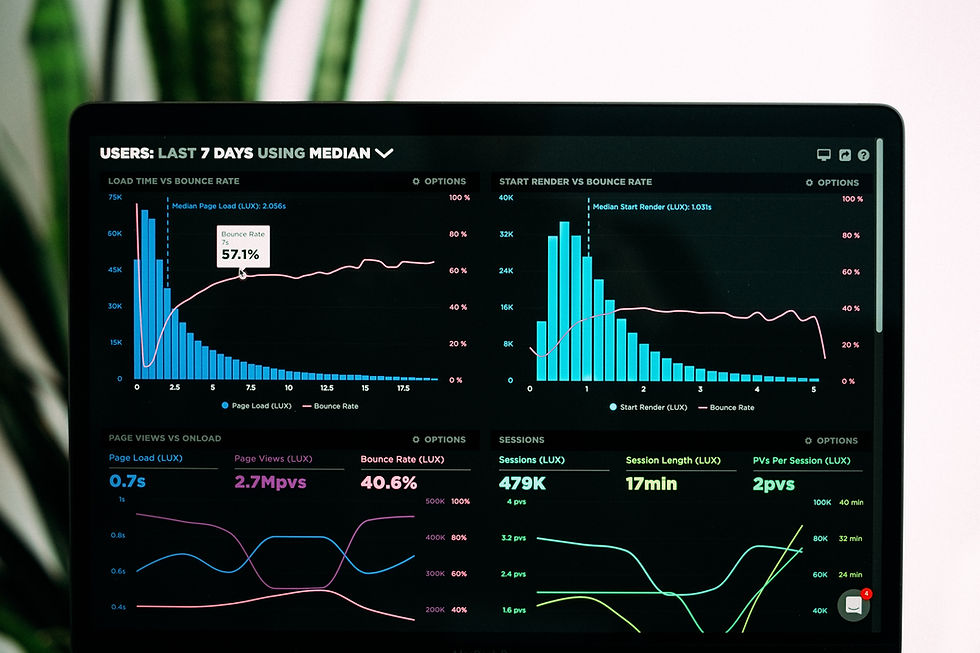
Effective data strategies require ongoing tracking. For small businesses, a simple dashboard in Google Sheets or Excel can work wonders. Start by creating a basic template to track key performance indicators (KPIs) like sales, customer acquisition cost, and engagement.
Use conditional formatting to make data trends and anomalies easy to spot. Visualizing data can simplify decision-making and allows you to adjust strategies as needed without additional costs.
Example: A survey by PwC found that data-driven companies are three times more likely to see measurable improvements in their decision-making processes (PwC, 2021) .
6. Analyze and Adapt Based on Results
Regular analysis helps you understand what’s working and where improvements are needed. Set a schedule to review your KPIs, and don’t be afraid to change your approach if something isn’t yielding results. For small businesses, agility is often a competitive advantage—analyzing and adapting quickly can help you outperform competitors.
Tip: Consider using Google Data Studio, a free tool, to integrate and visualize multiple data sources for analysis.
Statistic: According to Gartner, companies that regularly analyze and adapt their strategies based on data insights are 1.5 times more likely to meet their business goals (Gartner, 2021) .
Final Thoughts
Building a data strategy doesn’t have to be expensive. With clear goals, the right tools, and a streamlined approach, small businesses can leverage data effectively. By starting small and scaling your efforts as needed, you’ll find that data-driven decision-making is both affordable and transformative for your business.

Comments